
Eat, Speak, and Smile Confidently with Implant-Retained Dentures

Missing teeth can create challenges beyond aesthetics. Over time, bone resorption may occur due to lack of stimulation, causing changes in facial structure and an aged appearance that also impacts self-esteem. Traditional dentures, while a common option, can shift during use, leading to irritation and embarrassment.
Implant-retained dentures are an ideal alternative to dentures. These dentures are anchored to implants surgically placed in the jawbone. The implants act like artificial tooth roots, providing a secure fit that prevents slippage during daily activities.
At Dental Gigi, we offer implant-retained dentures to effectively address the challenges of missing teeth, providing stability and comfort that traditional dentures often lack. Take the first step by booking an appointment with our friendly team today.

Are Implant-Retained Dentures Right for You?
If you’re considering implant-retained dentures, several factors can help determine if they’re right for you. The ideal candidates often meet specific criteria related to their oral health and dental needs, such as:
- Sufficient jawbone density:
A solid bone structure is essential for implant stability. Candidates with bone loss may require bone grafting to provide the necessary support for successful implantation.
- Healthy gums:
Gums free from disease are critical for the stability of the implants. Periodontal issues can lead to implant failure by compromising the supporting tissues.
- Good overall health:
Candidates should be in good physical health. Conditions like uncontrolled diabetes or autoimmune diseases can impede healing and increase surgical risks, reducing the chance of successful implant integration.
- Non-smoker or willing to quit:
Smoking interferes with healing by constricting blood flow to the gums, which increases the likelihood of implant failure. Not smoking or quitting before surgery is required.
- Commitment to oral hygiene:
Keeping your mouth and implants clean is important to avoid infections and other complications. Candidates must be willing to maintain a consistent, thorough dental hygiene routine for maximised longevity.
chosen by over 11,000 patients. Experienced Team, Honest Dentistry.
Why Choose Dental Gigi for Dental Implants
Dental implants are a modern treatment that requires precision and skill, and we take pride in adhering to the industry standards for implant dentistry. Our unique approach helps us consistently achieve favourable outcomes for our numerous happy patients.
- Implants placed by experienced dentists
- Advanced techniques in guided implant surgery method
- Extensive planning with the use of CBCT technology
- High success rates and numerous successful cases
Our Experienced Team

Harman Singh
Where do we even start with the fabulous Dr Harman Singh. A highly skilled, experienced and competent dentist who on top of her dentistry qualifications, is now pursuing her Doctor in Medicine! Her dedication to further studies and never ending learning is testatment to her as an individual. Dr Harman does enjoy her surgical procedures and complex wisdom teeth extractions. She is also superb with her surgeries, root canals and fillings all alike and a terrific pillar to our team.
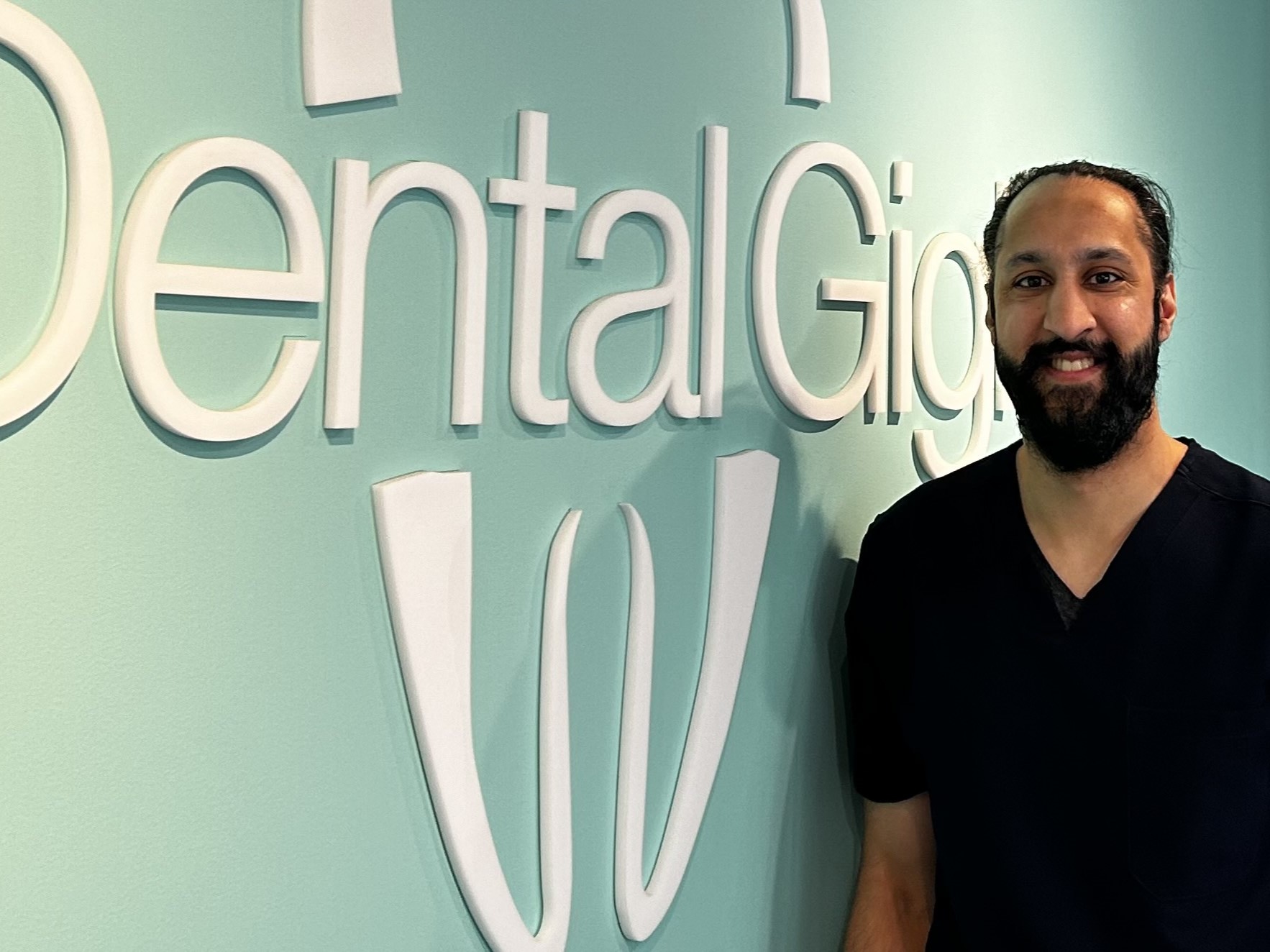
Arvin Singh Kohli
Dr Arvin Singh has over 11 years experience as a dentist and is originally from the UK. He is able to do the complete range of treatment, including wisdom teeth extractions, complex root canal procedures, high quality filling work & at the same time is gentle, friendly and is loved by all his patients. His hobbies include both playing and watching sports, especially football (or soccer as it’s known here!), cricket, tennis, as well as spending time with his beautiful pets! He believes in continued learning in life and not to rest on his laurels no matter how good he becomes in dentistry. He is here to serve all and the community.

Franscoise Chin
Dr Franscoise Chin has now returned to the Practice after her time overseas! She is a skilled, competent and experienced dentist who graduated from the University of Manchester and can speak multiple languages including English, Bahasa, Mandarin, Cantonese, Hokkien and Hakka! She is an excellent all rounder dentist and loves spending time with her family. Dr Chin is here to serve with the rest of our team.
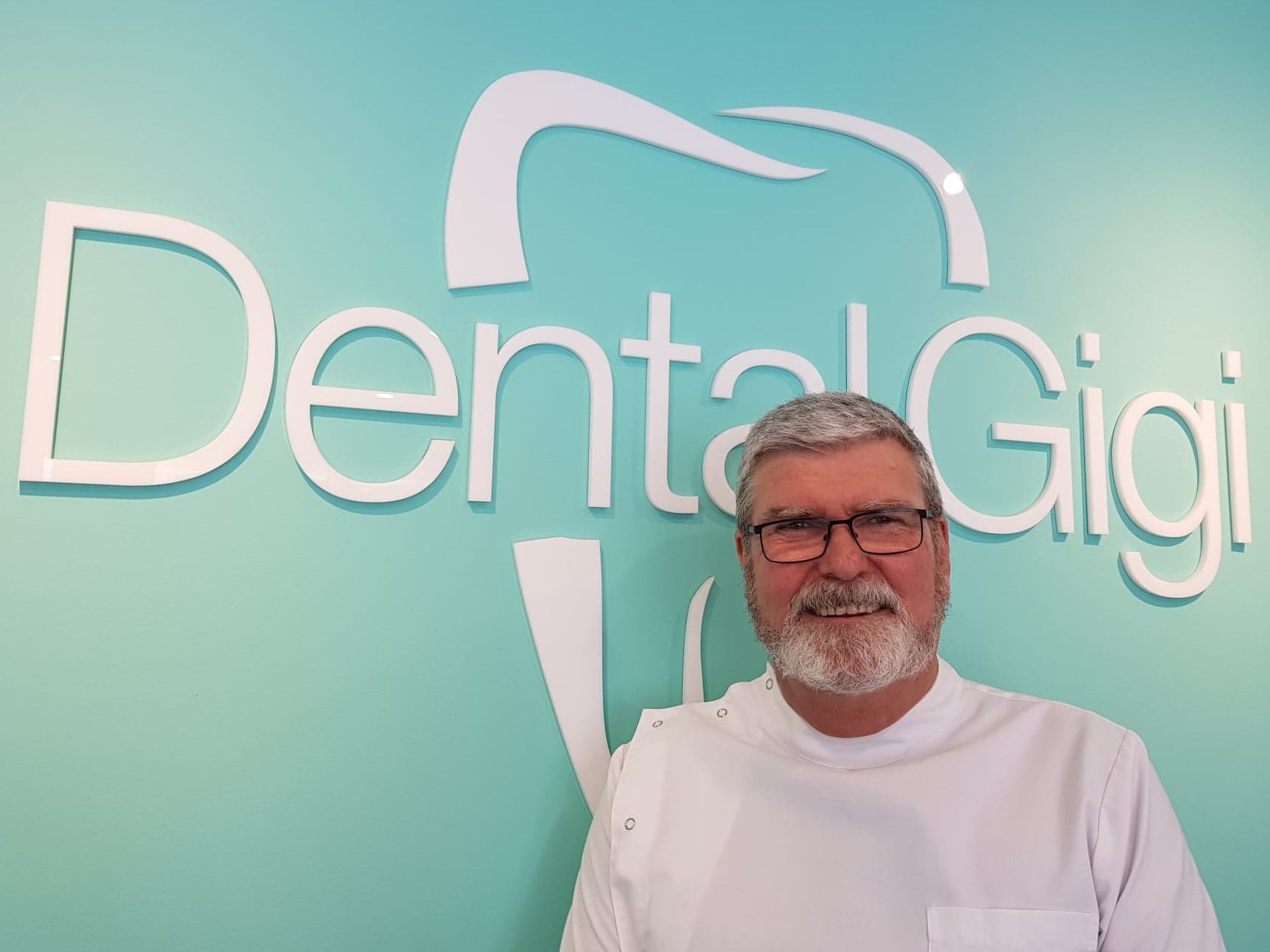
Stephen doyle
Dr Stephen is an experienced dentist with over 35 years in the industry. He loves doing extractions and comes in on Mondays and Tuesdays for complex wisdom teeth surgery. He is here to be of service to patients. We have sometimes seen him whip out wisdom teeth in under 5 mins and has done over 40000 extractions in his dental career! What a champ!
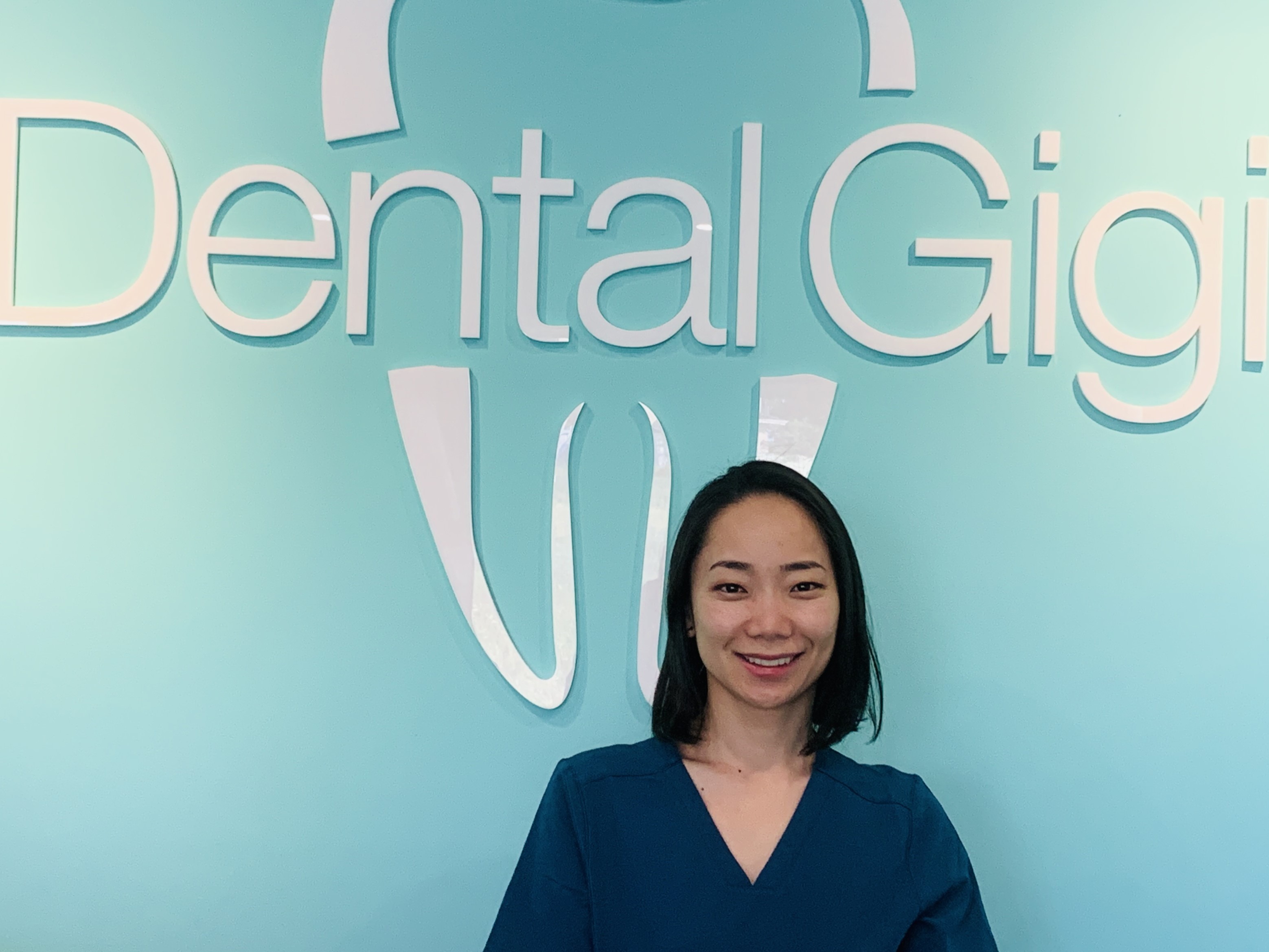
Chika Ushijima
Chika is one of our Amazing Oral Health Therapists. She has spent 3 years of her study just focusing on check up & cleans & fillings. This simply means that patients often will get the most meticulous, thorough & gentle cleans with her. Her hands are conditioned to gentle curves and soft touches when cleaning with optimal results. Outside of her professional life, Chika enjoys spending time with her adorable and loving animal companions. She has a 10-year-old Border Collie, a 3-year-old cat, many fish, and dwarf shrimp!
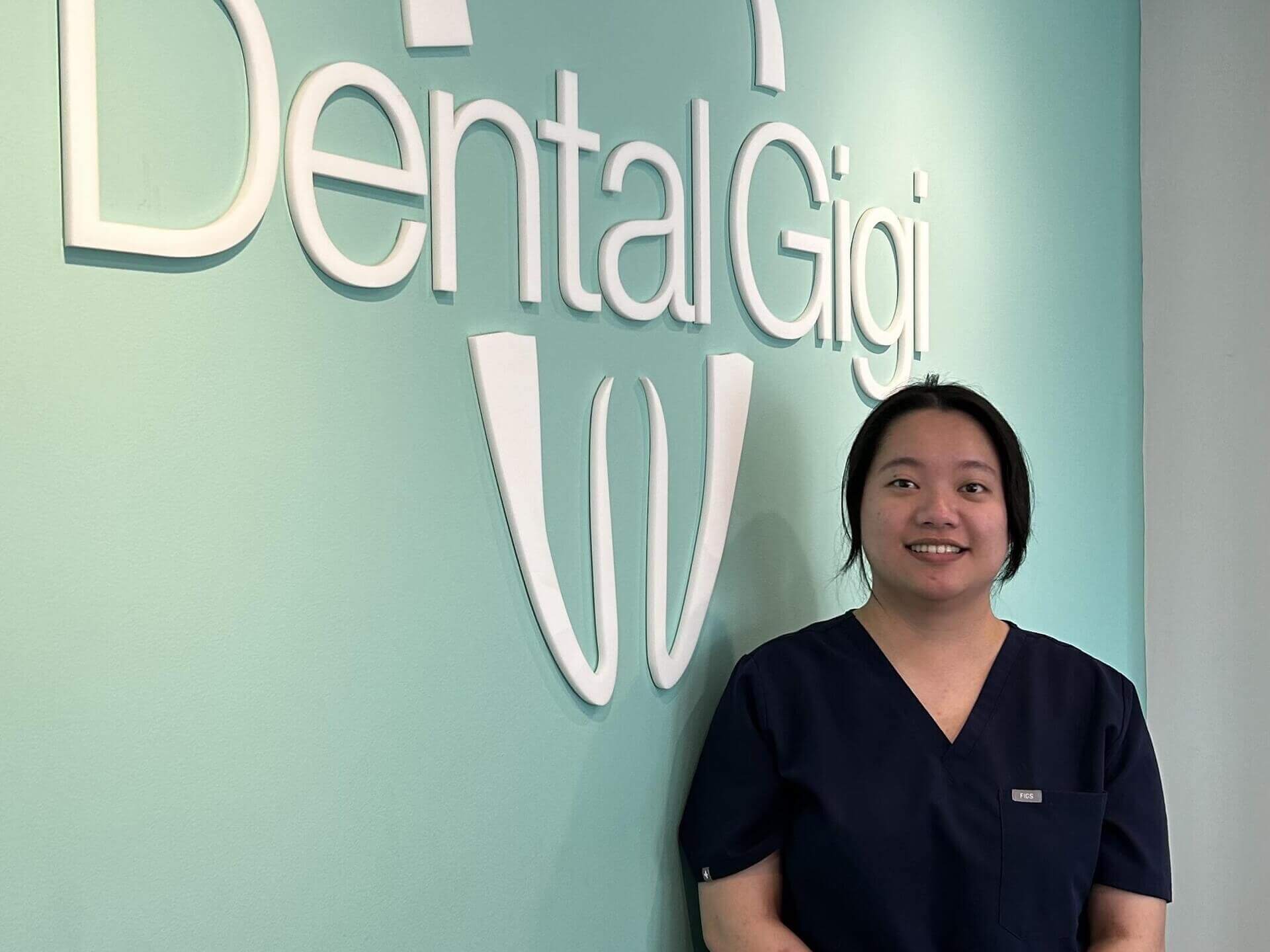
Sunny Huang
Does Sunny Huang = Gentle Hands. Absolutely! Sunny focuses her treatment in Dental Gigi for check and cleans, periodontal issues & fillings. The focused attention and repetition of the same hand movements makes her a perfectionist. She has perfected her craft of scale and cleans which are thorough yet gentle. We say WOW. For check up & cleans for both adults & children (who need gentle) we recommend Sunny & Chika!
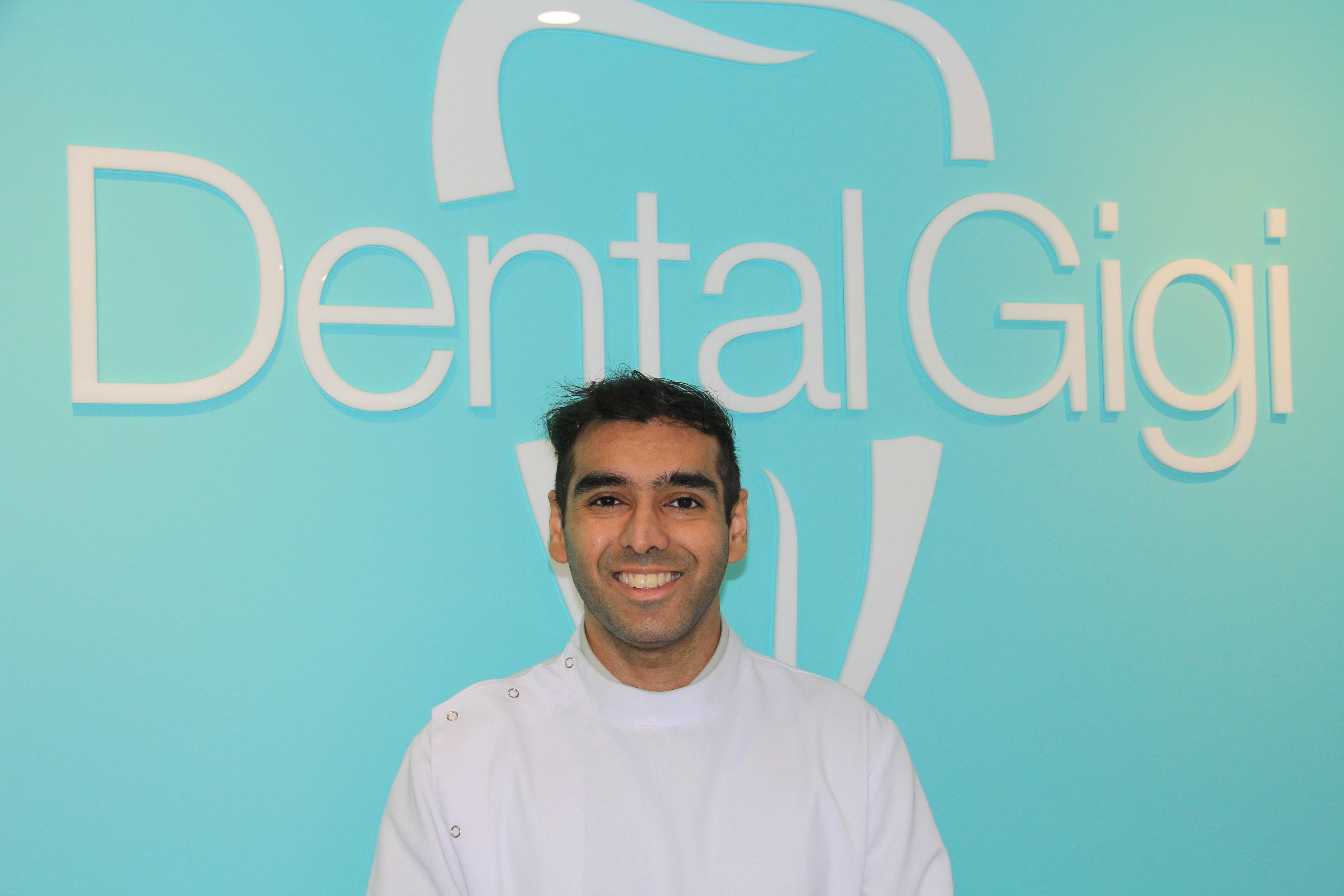
Sadha Shiv Gupta
Dr Shiv is an experienced dentist who trained and graduated locally from the University of Western Australia. He is also a part of the Australian Society of Implant Dentistry and a member of the International Congress of Oral Implantologists besides also being an active member of the ADA and participating heavily in CPD courses across Australia. Dr Shiv has a strong passion for implants as he was fortunate to have been given some very complex cases over the years. He was also part of a team who travelled to Vietnam as part of a CHAT volunteer programme where they treated underprivileged children and monks. Dr Shiv loves dance, music and spending time with family, friends and his adorable German Shephard. He also loves his hometown Singaporean food.

Sadha Shiv Gupta
Dentist
Dr Shiv trained and graduated from the University of Western Australia and has a strong passion for root canal treatment as he was fortunate to have been given some very complex cases over the years. Dr Shiv is an active member of the ADA and participates heavily in CPD courses across Australia. He was part of a team who travelled to Vietnam as part of a CHAT volunteer programme where they treated underprivileged children and monks. Dr Shiv loves dance, music and spending time with family, friends and his adorable German Shephard.somE of our happy patients..(and we have lots)
Experience the Advantages of Implant-Retained Dentures
Discover the advantages of implant-retained dentures and how they can enhance your oral health and daily comfort. Here’s how this advanced tooth replacement option offers long-term benefits for those seeking a more stable and functional outcome:
- Removable for thorough cleaning:
Implant-retained dentures can be detached daily for easy cleaning, making maintenance much simpler compared to non-removable implants. This allows for better hygiene and helps keep the dentures in good condition for longer.
- Reduced pressure on gums:
These dentures rest on implants rather than pressing directly on the gums, reducing irritation and discomfort. This leads to a more comfortable experience, especially for long-term wearers of traditional dentures.
- Fewer implants required:
Implant-retained dentures require fewer implants than full-arch implants, making the procedure less invasive and often faster. This can also reduce recovery time and overall costs.
- Customisable fit:
The attachment strength of implant-retained dentures can be adjusted for both security and comfort, allowing for easy removal when necessary.
Affordable long-term option: Implant-retained dentures provide stability and functionality at a lower cost compared to other implant options. This makes them a cost-effective choice over time.
Enjoy Comfort and Confidence With Book Your Consultation Appointment Now!
Frequently Asked Questions About Implant-Retained Dentures
Explore answers to frequently asked questions about implant-retained dentures, addressing common concerns about their benefits, costs, and maintenance.
The number of implants needed for implant-retained dentures ranges from two to six per arch (upper or lower jaw), depending on several factors, such as the patient’s bone density, the size and shape of their jaw, and the stability required for the dentures.
- Two implants: Often used for lower dentures, providing stability and preventing the denture from moving while talking or eating.
- Four implants: Commonly used for both upper and lower dentures, offering more support and improved speaking and chewing functions.
- Six implants: Usually used for the upper jaw, where bone density may be lower, providing additional stability and preventing movement.
Your dentist will assess your jawbone structure and overall dental health condition to determine the optimal number of implants for improved functionality and comfort.
The entire process for implant-retained dentures can take several months and can vary depending on individual factors like bone density, healing rates, and overall oral health. Here’s a general timeline:
- Initial consultation (1-2 weeks): During the consultation, your dentist will evaluate your oral health, take X-rays or scans, and discuss the implant treatment options. Then, a treatment plan will be created. If any preparatory procedures are required (e.g., tooth extractions or bone grafting), they might extend the timeline.
- Dental implant surgery (1 day): The surgery to place the dental implants is usually done in one visit. The number of implants required will depend on the type of denture system used.
- Healing period (3-6 months): After the implants are placed, there is a healing period called osseointegration, during which the implants fuse with the jawbone. This process usually takes around 3-6 months, although it can sometimes take longer.
- Abutment placement (1-2 weeks): Once the implants have integrated with the bone, the abutments (the connectors that will hold the dentures in place) are placed. This procedure is relatively minor and requires about 1 to 2 weeks of healing before moving on to the next step.
- Denture fitting (2-4 weeks): Impressions of your gums and implants will be taken to create custom dentures. The dentures are fitted and adjusted to ensure comfort and function. The fitting process may involve a few follow-up visits to check whether dentures are properly aligned and comfortable.
Total Estimated Time: The entire process usually takes between four and nine months, depending on healing times and any necessary preparatory procedures.
Throughout the process, our dental team will provide support and clear communication, helping you feel comfortable and well-informed at each stage. Every step, from the initial appointment to the final fitting of your dentures, leads you towards a more secure and natural-feeling smile.
Recovery from an implant-retained denture procedure usually takes about three to six months. This period involves several phases, each critical for a successful healing process and integration of the implants. Here’s an overview of the recovery phases:
- Initial healing: The first two weeks focus on managing discomfort and swelling, usually subsiding within this time.
- Osseointegration: Over the next three to six months, the implants gradually fuse with the jawbone, a process critical for stability.
- Soft tissue healing: Concurrent with osseointegration, the gums heal and adjust around the new implants, usually within the first month.
Our friendly team supports patients throughout recovery, providing detailed guidance to promote healing. Regular appointments with a dental professional during this period help monitor progress and adjust care as needed to achieve the desired results.
Yes, implant-retained dentures are removable. This type of denture is attached to metal posts that are surgically embedded in the jawbone, acting as stable anchors for the dentures. Users can snap the dentures onto these posts and take them out for cleaning, making maintenance of implant-retained dentures easier. Implant-retained dentures provide denture wearers with a secure fit that facilitates normal eating and speaking functions.
Here are the essential steps for effective cleaning to maximise the advantages of implant-retained dentures:
- Detach and rinse: First, detach the dentures carefully to avoid damage. Rinse under warm water to remove any food particles or loose debris that might have accumulated while worn.
- Brush daily: Use a soft-bristled brush to gently clean the dentures. Use a non-abrasive cleaner specifically designed for dentures to avoid scratching their surface. Brush all areas, including the crevices and attachments.
- Soak in a cleaner: Place the dentures in a denture-soaking mixture. This step helps to disinfect the dentures and loosen any stubborn stains and bacteria that brushing alone may not clear.
- Clean the attachments: It’s important to also clean the attachments on the dentures and any corresponding attachments in your mouth. Use a soft brush to clean around these areas to prevent the buildup of plaque and maintain the longevity of the attachments.
- Rinse before wearing: Before reinserting the dentures in the morning, rinse them thoroughly under warm water. This final rinse allows for no remnants of the cleaning fluid to remain, which could potentially irritate your mouth.
Keeping your implant-retained dentures clean is straightforward. Regularly cleaning them as part of your daily routine is key to the maintenance of implant-retained dentures.
Yes, you can get implants even if you have had dentures for years. The key factor is the health and density of your jawbone, which supports the implants. An initial assessment with our dental team will determine if your bone structure is suitable for implants. This evaluation includes scans to assess bone health and discussions about potential bone graft procedures if necessary.
Yes, you might be able to use your existing dentures for implant-retained dentures, but it’s not always advisable. Dental Gigi will evaluate if your dentures are suitable for modification to connect to implants. This involves assessing the fit and condition of your existing dentures to determine if they can securely attach to the new implants. Often, new dentures are recommended for an accurate fit, function, and aesthetics.
The longevity of implant-retained dentures is normally between five and 15 years for the dentures themselves and around 20 years for the implant posts. Their lifespan largely depends on proper care and several key factors, which include:
- Oral hygiene: Daily cleaning that includes brushing and rinsing prevents infections that can damage the implants or the gums.
- Regular dental appointments: Professional check-ups help monitor the condition of both the implants and dentures, addressing issues before they worsen.
- Lifestyle habits: Smoking and excessive alcohol intake can weaken the gums and jawbone, impacting implant stability.
- Jaw Bone quality: Sufficient bone density is essential for the implant to remain secure and functional.
- Quality of denture materials: High-quality materials resist wear better, contributing to longevity.
Proper care is key to maximising the longevity of implant-retained dentures. With regular maintenance and professional support, they can remain comfortable and functional for many years.
The average cost of implant-retained dentures usually ranges from $15,000 to $18,000. This price includes the implants, abutments, and the custom-made dentures themselves. The final cost can vary depending on factors such as the number of implants required, the complexity of the case, and the quality of materials used. Additional procedures, such as bone graft surgery, may also be considered to maximise the longevity of implant-retained dentures, adding to the overall expense.
No, health funds generally do not cover the full cost of implant-retained dentures. Most health funds cover part of the surgical procedure or denture components under the “major dental” or “prosthodontic” categories. However, the total reimbursement is often capped, and out-of-pocket costs can still be significant. It’s essential to contact your health fund provider directly to understand what portion, if any, will be covered and any other considerations like waiting periods and limits.
Implant-retained dentures, while highly effective, carry some risks or potential complications. Here are some possible issues to be aware of:
- Infection: Infection around the implant site, known as peri-implantitis, can occur if proper oral hygiene is not maintained, allowing bacteria to build up.
- Implant failure: Poor bone quality or insufficient healing may prevent the implant from integrating with the bone, causing it to loosen or fail.
- Nerve damage: During implant placement, nearby nerves may be injured, leading to numbness, pain, or tingling sensations in the surrounding area.
- Bone loss: Over time, bone density around the implant can decrease, which may compromise the stability of the implant.
- Sinus issues: In upper jaw implants, the implant may protrude into the sinus cavity, leading to sinus infections or complications.
- Overloading: If the denture places excessive pressure on the implants, it can stress the implant and potentially cause it to fail.
Proper care and regular dental visits are essential to avoid complications with implant-supported dentures. By addressing risks early and maintaining good oral hygiene, you can help support the long-term success of your implants and your overall oral health journey.
Yes, implant-retained dentures are worth it for many people due to their long-lasting oral health benefits. Here are the key benefits implant dentures offer:
- Prevention of denture slippage: Unlike regular dentures, implant-supported dentures snap onto dental implants, providing additional security during eating or speaking.
- No need for adhesives: Since implants hold the removable dentures in place, there’s no need for denture adhesives or creams to keep them stable.
- Protection of surrounding natural teeth: Implants don’t rely on adjacent teeth for support, which helps preserve the health of your natural teeth.
- Improved taste: Conventional dentures can cover the roof of your mouth, but implant-retained options leave it uncovered, enhancing your ability to taste a wide range of food.
- Easier maintenance: The maintenance of implant-retained dentures is more straightforward, as they can be easily detached for thorough cleaning.
Choosing implant-retained dentures offers both practical and lifestyle benefits, enhancing everyday comfort and functionality compared to traditional complete dentures. With the advantages of implant-retained dentures, you gain stability, improved aesthetics, and a more enjoyable dining experience.